Capek Kena “Internet Positif” atau Lag Pas Lagi Seru? Browser Mungkin Musuhmu!
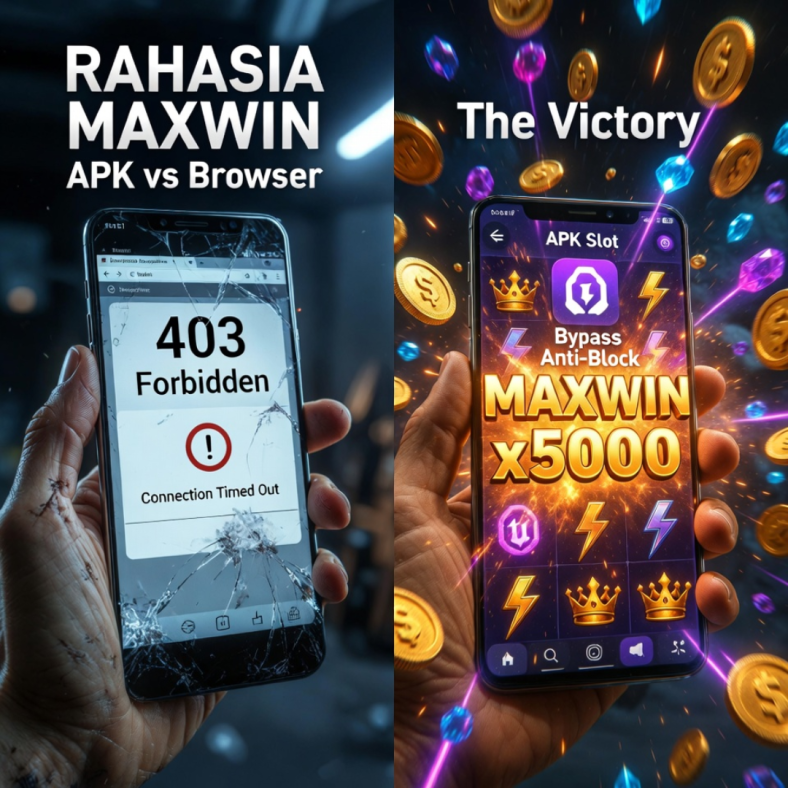
Pernah nggak sih lagi asyik-asyiknya main, eh tiba-tiba browser kamu force close? Atau pas lagi dapet pola bagus, malah muncul tulisan “Internet Positif” yang bikin momen hancur seketika? Masalah klasik pemain slot via browser adalah ketidakstabilan koneksi dan limitasi sistem. Browser itu berat, Bosku! Dia harus memproses banyak cache dan cookies yang seringkali bikin frame rate game slot kamu jadi patah-patah.
Jujur saja, banyak yang nggak sadar kalau delay satu detik aja bisa ngerusak algoritma spin kamu. Browser itu ibarat jalanan umum yang macet, sedangkan APK Slot itu jalan tol pribadi yang langsung menghubungkan kamu ke server pusat. Di artikel ini, kita bakal bedah secara edukatif dan jujur kenapa kamu harus segera pindah ke aplikasi kalau mau berhenti rungkad dan mulai menjemput Maxwin.
1. Koneksi Anti-Lag: Kunci Utama Algoritma Berjalan Mulus
Mari kita bicara jujur: game slot zaman sekarang, apalagi dari provider seperti PG Soft atau Pragmatic, punya grafis yang berat. Browser seringkali gagal merender animasi dengan sempurna. Hasilnya? Input lag. Kamu tekan spin sekarang, mesin baru berputar setengah detik kemudian.
Di APK Slot, semua aset gambar dan suara sudah ter-instal di handphone kamu. Aplikasi nggak perlu lagi download ulang data setiap kali kamu ganti game. Koneksi jadi jauh lebih stabil, dan yang paling penting, algoritma RNG (Random Number Generator) berjalan tanpa gangguan. Putaran yang mulus adalah syarat mutlak biar simbol-simbol “mahal” bisa jatuh di posisi yang tepat.
2. Bebas Blokir dan Internet Positif Tanpa VPN
Masalah paling menyebalkan main di browser adalah link yang sering mati. Kamu harus ribet cari link alternatif atau pakai VPN yang malah bikin koneksi makin lemot. VPN itu musuh besar slot gacor karena bikin ping kamu membengkak.
Dengan APK Slot, kamu nggak butuh lagi yang namanya VPN. Aplikasi biasanya sudah punya sistem bypass otomatis yang langsung nyambung ke server inti. Sekali klik langsung masuk. Tanpa gangguan blokir, fokus kamu nggak akan terpecah, dan modal kamu nggak bakal habis cuma buat “cek ombak” di link-link yang nggak jelas.
3. Keamanan Data dan Anti-Phishing
Jujur saja, di browser banyak banget pop-up iklan yang bisa menjebak kamu ke situs phishing (situs palsu). Banyak kasus saldo tiba-tiba hilang karena pemain nggak sengaja login di link yang salah.
APK Slot memberikan keamanan ekstra. Karena aplikasi ini terenkripsi secara khusus, data login dan transaksi kamu lebih terlindungi dari tangan jahat. Main dengan perasaan aman itu penting banget, Bosku. Kalau pikiran tenang, cara kamu mengatur bet dan strategi jadi jauh lebih jernih, nggak grasak-grusuk karena takut kena tipu.
4. Notifikasi Jam Gacor Secara Real-Time
Ini fitur yang nggak akan kamu dapet di browser. APK Slot seringkali punya fitur notifikasi push. Bayangkan pas mesin lagi bener-bener “muntah” atau ada jam gacor dari admin, kamu langsung dapet notif di layar HP.
Browser nggak bisa kasih tahu kamu kapan RTP lagi tinggi-tingginya kecuali kamu buka tab-nya satu per satu. Dengan aplikasi, kamu bisa jadi yang pertama tahu kalau ada update atau promo bonus besar yang bisa kamu klaim. Kecepatan informasi adalah senjata rahasia buat para pemburu Maxwin modal receh.
5. Optimasi Baterai dan Performa Smartphone
Browser itu rakus RAM. Kalau kamu main pakai Chrome atau Safari, HP kamu bakal cepet panas. Pas HP panas, performa sistem bakal turun (thermal throttling), dan game kamu bakal mulai stuttering.
APK Slot dirancang khusus untuk berjalan ringan di sistem Android atau iOS. Pemakaian baterai jadi lebih irit, dan performa HP tetap terjaga stabil. Kamu bisa main lebih lama dengan kondisi mesin yang tetap dingin. Ingat, HP yang lancar jaya bikin pengalaman main jadi lebih asyik dan peluang dapet jackpot makin terbuka lebar karena transisi antar spin yang sinkron.
Saatnya Upgrade Cara Main Kamu!
Dunia slot terus berkembang, dan kalau kamu masih bertahan di cara lama (browser) yang sering bikin rungkad, kamu bakal ketinggalan. Pindah ke APK Slot bukan cuma soal gaya, tapi soal efisiensi dan stabilitas demi mengincar Maxwin jutaan rupiah.
Kami selalu supportive buat kamu yang pengen dapet hasil maksimal. Jangan biarkan koneksi buruk atau link mati jadi penghalang keberuntunganmu. Download aplikasinya, instal, dan rasakan bedanya sendiri. Semoga dengan pindah ke APK, hari ini adalah hari di mana kamu akhirnya bisa merasakan pecah Maxwin yang sesungguhnya!